Whole House or Phased Window Replacement in Carlsbad
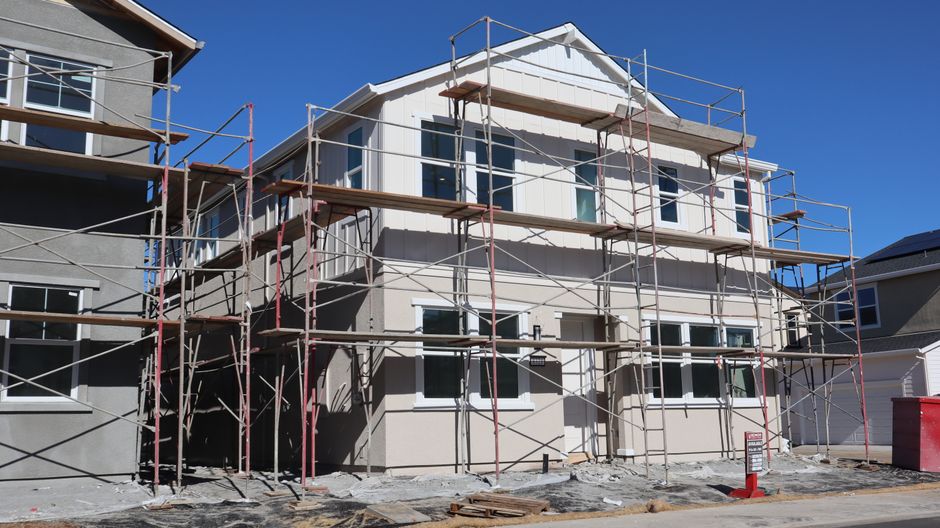
The way your current windows are installed decides whether phasing makes sense in Carlsbad, more than budget or schedule does. Many homes built from the 1970s through the 1990s have aluminum sliders held in the stucco by a nail fin. Whether the new windows go in as retrofit units or as full frame replacements changes how much mess each phase creates.
Start With How the Old Windows Are Held In
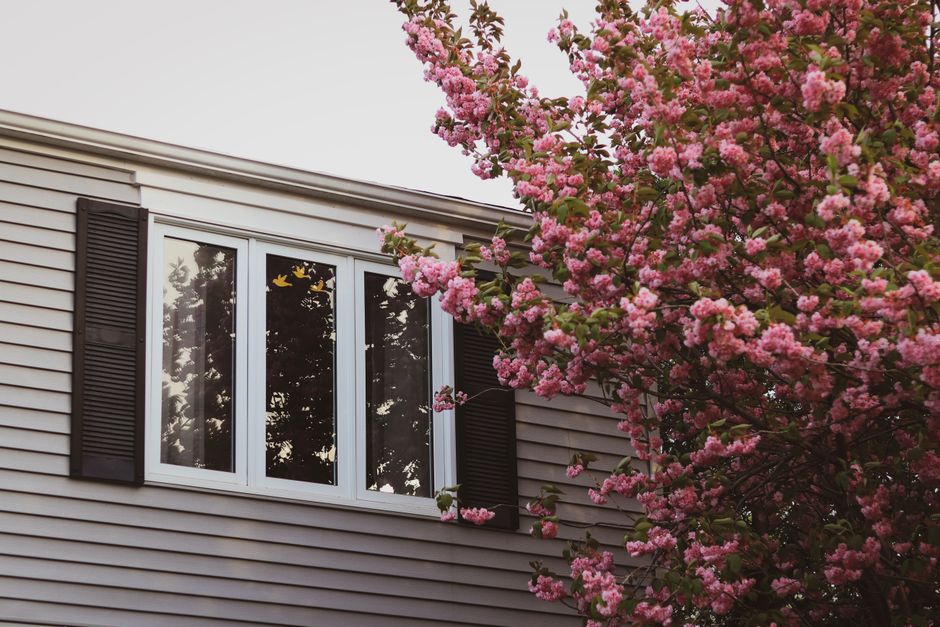
A retrofit window goes into the existing frame or over it, so the stucco stays in place. A full frame replacement pulls out the old frame and its nail fin, which means cutting stucco around the opening, setting the new window, and patching and painting afterward.
Retrofit work is mostly self contained at each opening, which makes it easy to stage. Even so, retrofit installation can still involve some trim or exterior finishing at the edges, so ask what will be touched before assuming nothing will be.
Full frame work is the opposite. Every phase repeats the messiest step: cutting, patching, matching the stucco texture and painting. Texture and paint patches rarely blend perfectly. Doing every opening on one wall at the same time hides the repair far better than spreading the same wall over several years.
What Whole House Replacement Does Well
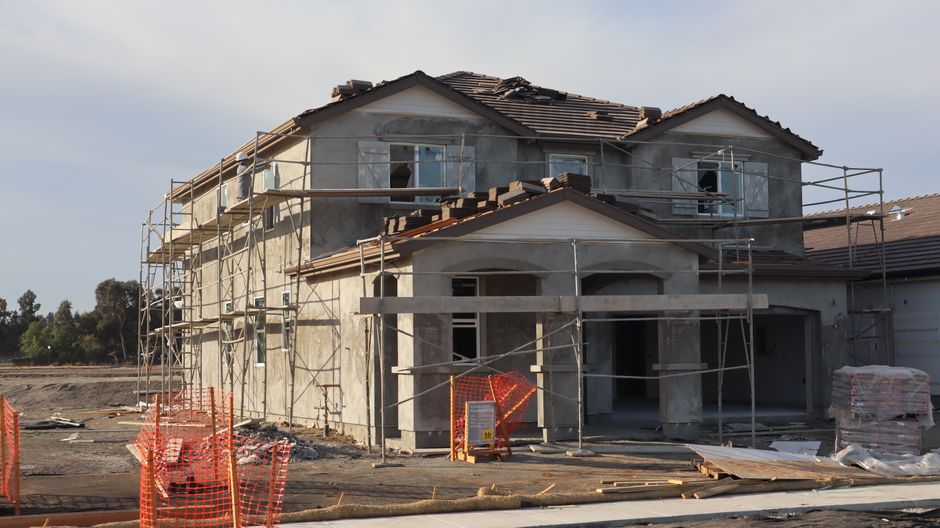
A whole house job concentrates the disruption into one stretch. A crew works through every room in a short period, and you get one round of measuring, one cleanup and one final walkthrough.
The tradeoffs are real:
- Furniture has to be moved away from every window.
- Blinds, curtains and shades come down throughout the house.
- Privacy and security are affected in several rooms at once while openings are being worked.
- Everything is decided up front, so the style, color and glass choices have to be right the first time.
The payoff is consistency. Every frame, grid pattern and glass package matches, and the crew gets the efficiency of doing many similar openings in a row.
What Phasing Does Well, and What It Costs You
Phasing spreads out the work and lets you handle the most urgent windows first. It also gives you time to save up and to see how the first phase looks and performs before committing to the rest.
The hassle multiplies, though. Each phase repeats scheduling, measuring, floor protection, blind removal and a final inspection. Small phases lose the efficiency of a crew doing a long run of identical openings. Phasing is not automatically cheaper overall, so do not choose it on that assumption alone.
The Matching Problem
Matching later is never guaranteed. Several things drift over time:
- Product lines change. Manufacturers revise series, frame profiles, sightlines, grid styles and colors. A window ordered three or five years later may look slightly different, even from the same brand.
- Glass coatings differ. Different low E coatings give glass a slightly different tint and reflection, especially in bright sun. Two windows with different glass packages can look mismatched from the street even when the frames are identical.
- Old frames fade. Strong sun, particularly on south and west walls, changes frame color over time. A new white or tan frame beside a sun aged one looks brighter at first.
Keep a record of every phase
For each phase, write down the brand, series, frame color, glass package, low E coating type, grid style and grid pattern. Keep the original order paperwork. This record is the best tool for matching later.
Phase by Wall, Not by Room
If you phase, group the work by elevation. Replacing the whole front of the house, or a whole side, keeps each visible wall consistent. One new window in a row of old ones draws the eye immediately.
Do the street facing elevation together in one phase. It shows a mismatch the most and shapes curb appeal and the impression a buyer gets at resale.
Patio sliding doors often become their own phase because they are large, heavy and slow to order. If the doors come later, pick a window frame color and grid style now that the door line also offers.
Order of Priority for a Phased Plan
- Windows letting water in. Any window leaking into the wall or onto the sill goes first.
- Windows that will not open, close or lock. Bedrooms come first here, since a window is a way out in an emergency.
- Rooms that overheat from afternoon sun.
- Cosmetic and noise upgrades.
Fogging between the panes means the insulated glass seal has failed, but it does not always mean a new window. If the frame is sound, replacing only the glass unit may be an option, and that can buy time in a phased plan. It is not always possible, so have it assessed.
Check the windows you plan to keep
Before deciding what can wait, look under every window you intend to leave for now:
- Soft or stained drywall below the window
- Swollen baseboards
- Peeling paint on the interior sill
- Rust streaks or cracks in the stucco below the corners
A leak left for a later phase keeps damaging framing. Water damage is a reason to move a window up the list.
Where in Carlsbad Your House Sits
Inland: La Costa and the eastern neighborhoods
West and south windows in the warmer inland areas often belong in the first phase. They drive afternoon heat gain, and glass chosen for lower solar heat gain makes the most difference there.
Coastal: the Village, the beach areas and the west side
Salt air corrodes aluminum frames, hinges, rollers and lock hardware. Old aluminum sliders near the coast tend to show worn rollers and pitted tracks sooner than inland units. Ask for corrosion resistant hardware on whatever you install.
Maintenance on windows you keep
Coastal sand and dust clog the weep holes, the drain slots at the bottom of sliders, and the slider tracks. Water then backs up over the sill during winter rain. Check and clear them at least once a year, before the rainy season. Windows of any frame material still need care; none is maintenance free.
Check the HOA Before Phase One
Planned communities such as Aviara, La Costa, Calavera Hills and Bressi Ranch often have architectural guidelines covering exterior colors and window styles. Get approval for the full plan up front, so a style choice made in phase one does not block later phases.
Set Realistic Expectations on Savings
Carlsbad's mild coastal climate keeps heating and cooling loads modest compared with hotter or colder regions. New windows are not a quick payback project. Comfort, fewer drafts, less fading of furnishings, noise reduction and easier operation are often the more noticeable benefits. They will not fix every draft, leak or condensation problem in a house either. Energy savings alone are a weak reason to rush a whole house job.
Scheduling and Getting the Plan in Writing
Replacement windows are made to measure, and lead times run several weeks. Carlsbad's mild weather means installation can happen almost any time of year, but avoid the rare heavy rain days and strong Santa Ana winds, when open walls are exposed.
Ask the installer to put the plan in writing, stating:
- Which windows are in each phase
- How each opening will be installed
- What will be done to stucco or trim where new meets old
Which Route Fits
Whole house replacement suits full frame work with stucco patching, homes where matching matters most, and owners who would rather endure one disruption. Phasing suits retrofit installs, tight timelines for money, and homes where a few windows are failing while the rest are sound. Either way, finish whole walls in each phase, handle leaks first, and keep the paperwork.